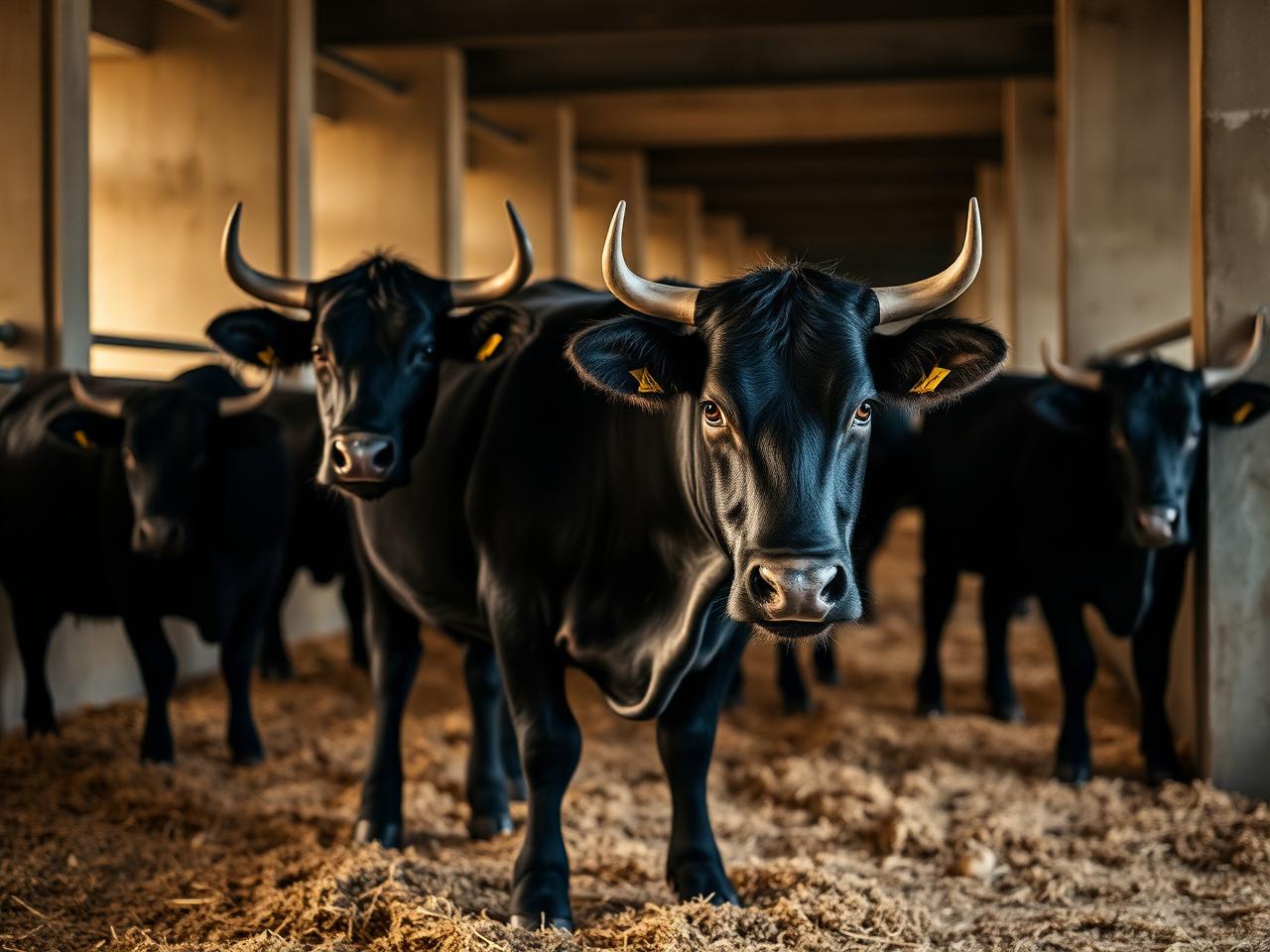
Water is the single biggest constraint on cattle operations near the Sahara’s edge, and it shapes nearly every design decision in a feedlot — pen layout, shade structure, feed formulation, and even herd density. Operations that treat water as a secondary concern behind feed and housing tend to see it show up later as a hidden cost: lower weight gain, higher heat stress, and inconsistent performance across pens.
The first lesson from arid-zone feedlot design is that water access point placement matters as much as water volume. Cattle that have to walk long distances to reach a trough burn energy that should be going toward weight gain. Well-designed feedlots place water points within short walking distance of every pen, reducing unnecessary movement during the hottest parts of the day.
Shade and water are inseparable in this climate. A trough sitting in direct sun for most of the day loses cooling value and can even raise water temperature to a point where cattle drink less than they need. Pairing water infrastructure with shade structures — even simple shade cloth over troughs — measurably improves intake and, by extension, feed conversion efficiency.
Feed formulation also has to account for water availability. Higher-moisture feed components can reduce a herd’s dependency on direct water intake during peak heat, but this only works if the feed program is designed with water balance in mind from the start, not bolted on afterward. Operations that coordinate feed and water strategy together consistently outperform those that manage them as separate departments.
Finally, water infrastructure in arid feedlots needs redundancy. A single borehole or pipeline failure during summer months can put an entire herd at risk within hours. Operations built for the Sahara’s edge plan backup water sources and storage capacity as a core part of feedlot design, not an afterthought — because in this climate, water efficiency isn’t just about cost, it’s about herd survival.

Algeria’s Red Meat Deficit: Why Demand Keeps Outpacing Domestic Supply
Algeria consumes more red meat than its domestic livestock industry can reliably produce, and that gap has widened as population